Cloth
Silk, cotton, and modal
Three fibres account for most of what is worn next to the skin. Each feels the way it does for a reason, and each asks for something different in the wash.
Start with the composition line
Product pages spend their adjectives freely. The most useful line on them is usually the dullest: the composition, given in percentages, somewhere near the bottom. It tells you what the garment will feel like at the end of a long day and after its thirtieth wash, which the photograph cannot.
In underwear, sleepwear and loungewear that line nearly always names cotton, a wood-pulp fibre such as modal, or silk, with a few percent of elastane for stretch. It helps to know what each one is.
Cotton
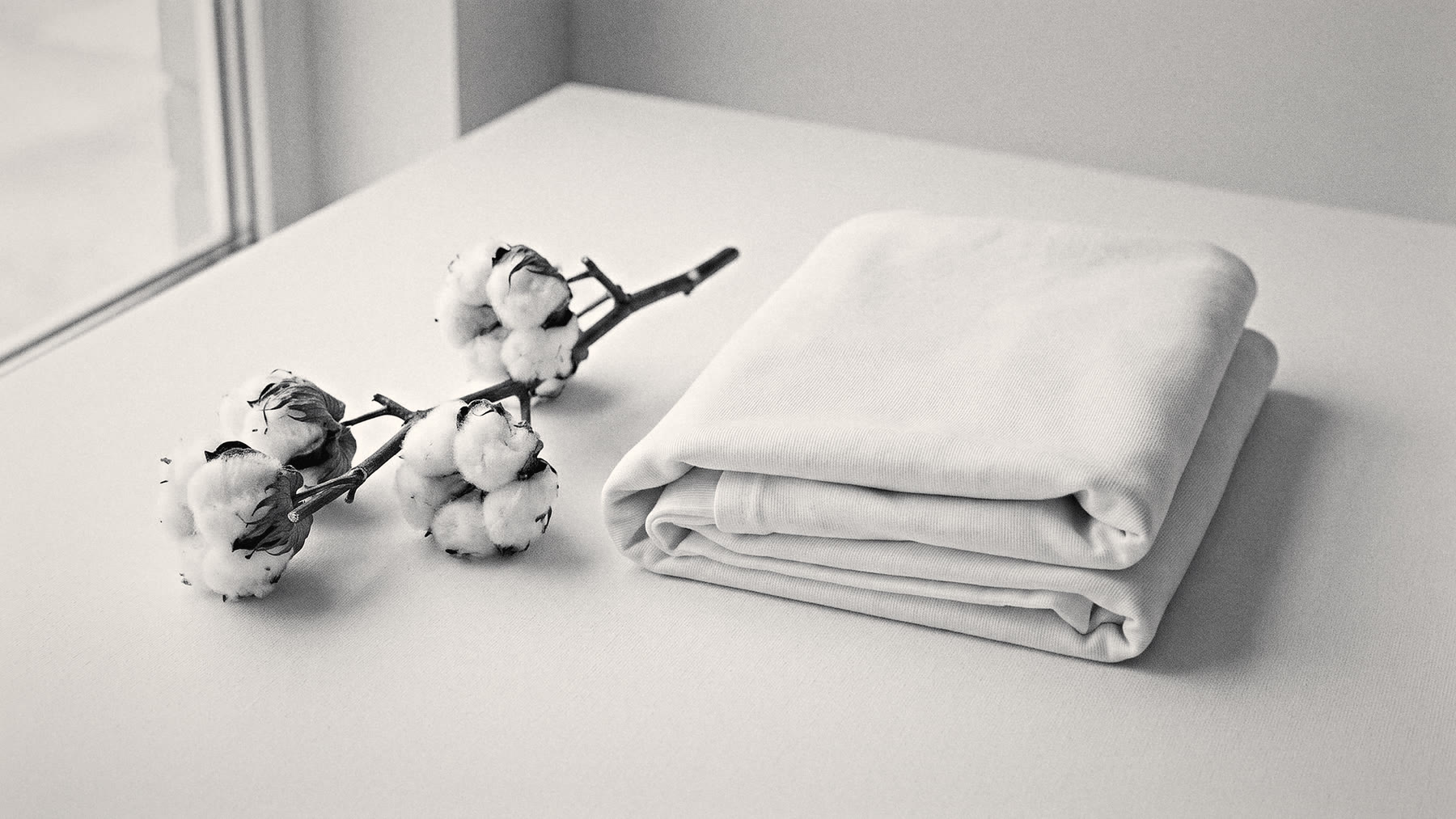
Cotton is the seed hair of a plant, a short fibre spun into yarn. It breathes, it washes easily, and it takes up moisture readily. That last quality is its comfort and its drawback: cotton that has absorbed moisture holds on to it, and dries slowly.
The length of the individual fibres, called the staple, decides a good deal. Longer staples spin into a smoother, stronger yarn with fewer loose ends at the surface, so the cloth feels finer and generally pills less. This is the real difference behind names such as Pima and Egyptian, when they are used honestly.
Cotton jersey with a little elastane keeps its shape better than cotton alone, which tends to bag at the seat and knee by evening.
Modal and lyocell
Both begin as trees. The wood is pulped, the cellulose dissolved and then forced through fine nozzles to form a continuous filament. Modal is commonly made from beech. Lyocell is a later process that recovers and reuses most of its solvent. The fibre in both cases is cellulose, as cotton is, though the hand is nothing like cotton’s.
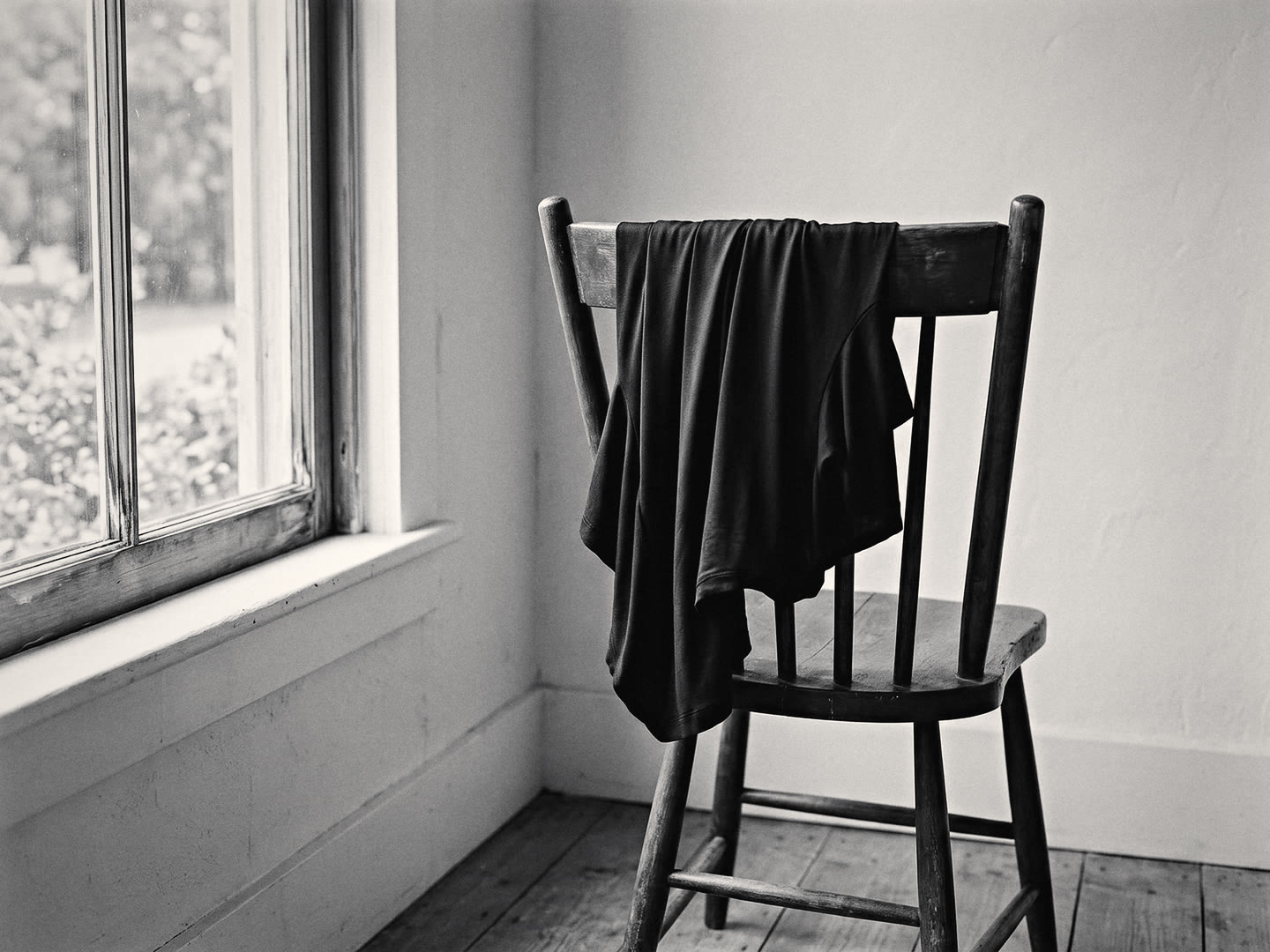
Because the filament is extruded, it is smooth along its whole length. The cloth made from it feels cooler and silkier than ordinary cotton, drapes softly, and takes dye deeply, which is why blacks in modal tend to stay black. It is the usual cloth of the soft everyday brief and the T-shirt you sleep in.
Its weakness is heat. Washed hot or tumble-dried, these knits lose their shape sooner than cotton does.
Silk
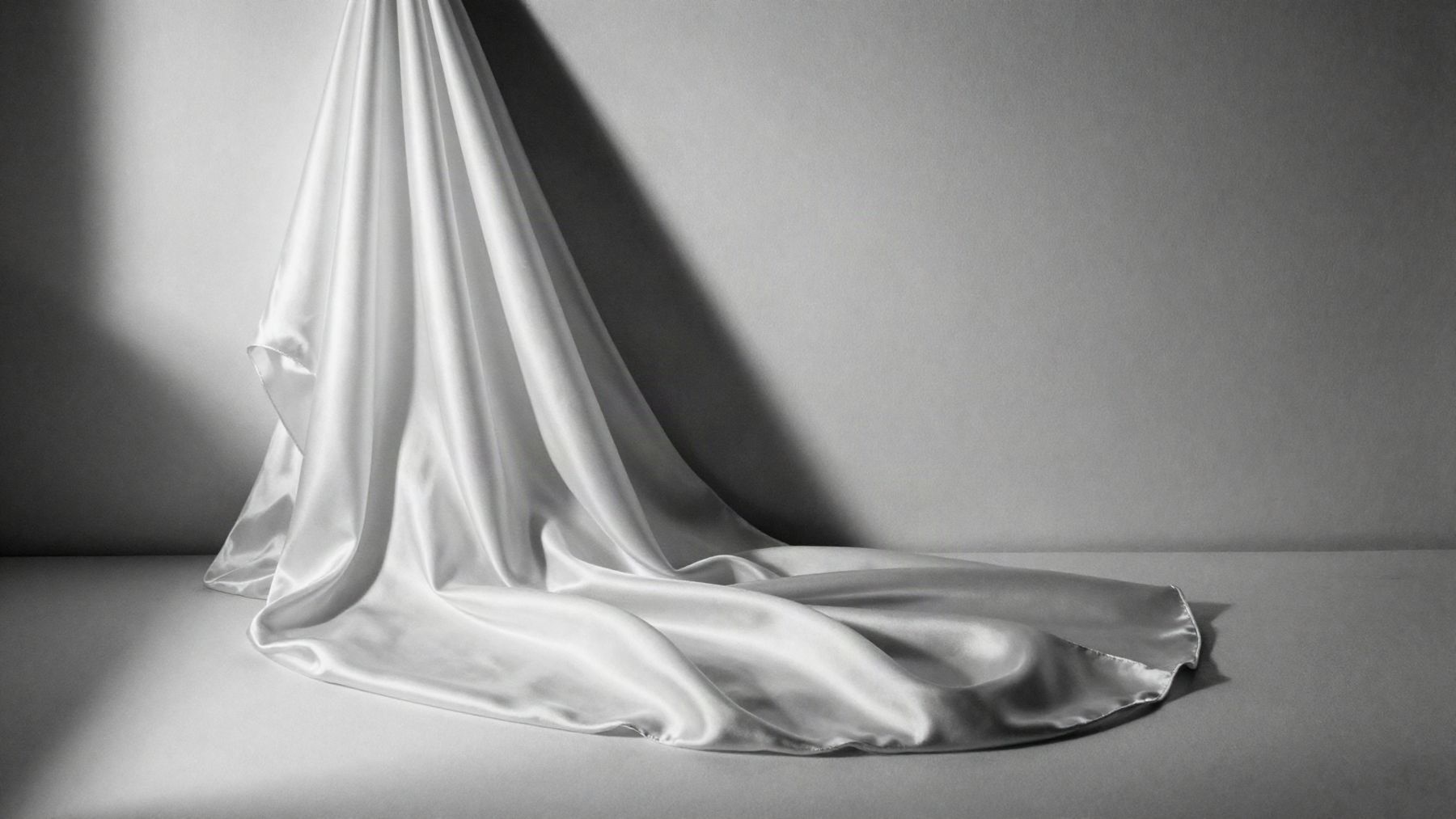
Silk is a protein filament, unwound from the cocoon of the silkworm in a single strand hundreds of metres long. Nothing else worn against the skin is made quite like it, and it shows: silk is light for its strength, cool at first touch and warm soon after, and it holds little odour.
It is also easily marked. Water can leave a ring on it, perspiration and deodorant can stain it, and strong detergent, hot water and long hours of sun all dull it. Wet silk is weaker than dry, which is the reason it is never wrung.
Where a shop states a weight, it will be in momme. The higher the number, the heavier and more opaque the cloth, and the longer it usually wears. Most silk nightwear falls somewhere between 16 and 22.
Washing
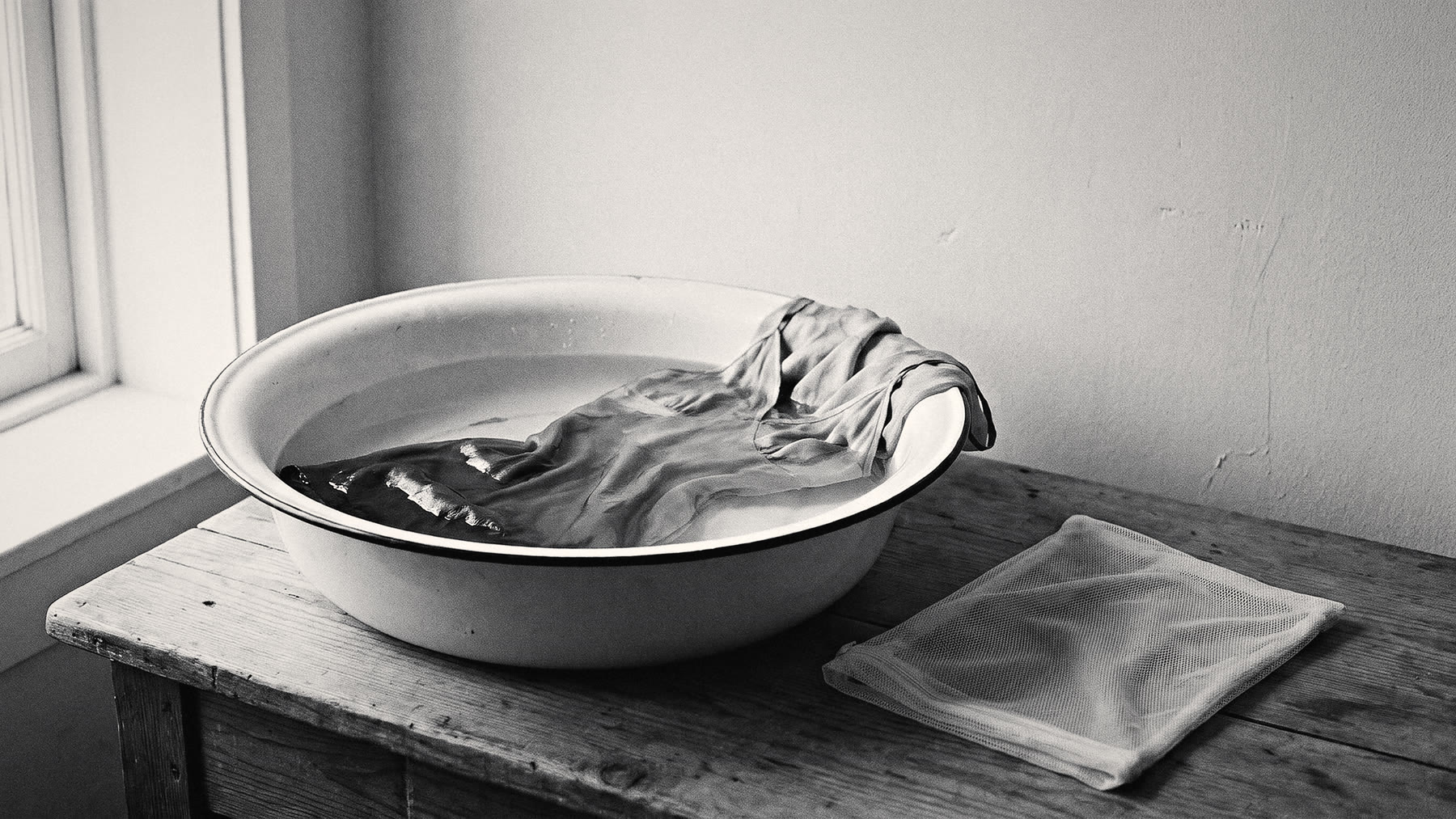
The care label decides, and it outranks anything written here. As general habit: fasten hooks before washing so they cannot catch on lace, and put delicates in a mesh bag. Wash cool. Leave out the fabric softener, which coats fibres and elastic alike, and keep anything with stretch out of the tumble dryer.
Silk that the label allows you to wash wants cool water, a mild detergent made for it, and very little handling. Press the water out in a towel and dry it flat, in the shade.
In the shops
Sleepwear in the shops

Pigiama Maison
$1,669 , €1,515 at the shop

Pigiama The Essential Silk
$402 , €365 at the shop

Night In Mix & Match Sleepshirt short sleeve | quietgrey stripes 080772-08S334
36
$50 , €44.99 at the shop

« Michette »
$678 , €616 at the shop
- 40 percent off

Luxury Jacquard | Pyjama lang - light blue
3XL
Was $475$285 , CHF 239 at the shop, was CHF 399 
Camicia da notte corta Maison
$716 , €650 at the shop
- 25 percent off

Linen Boxing Short Set - Sky Blue
M
Was $315$235 
Pigiama aperto 100% cotone garzato fantasia scozzese all over serie cleopatra
$46 , €41.90 at the shop