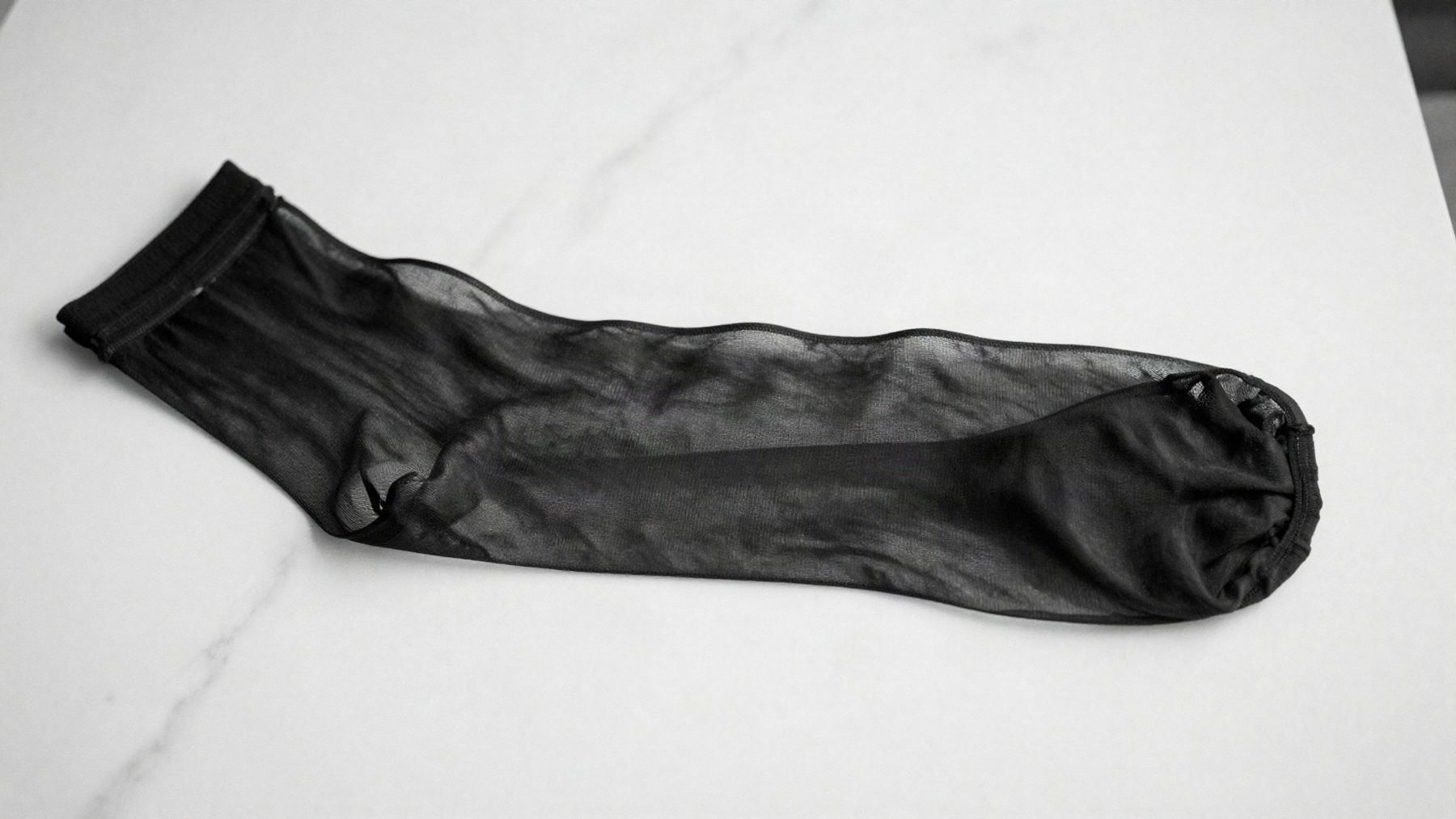
Hosiery
What denier means
The number on a packet of tights is a weight, borrowed from the silk trade and named after a coin. It tells you a good deal, though not everything.
Nine thousand metres of thread
Denier is a weight. Take nine thousand metres of a yarn and put it on a scale: the reading in grams is its denier. A 15 denier yarn weighs fifteen grams over that length and a 60 denier yarn weighs sixty, so the lower the number, the finer the thread.
The unit comes from the silk trade, and the odd length makes sense once you know that a single filament of raw silk, at nine thousand metres, weighs about a gram. One denier is roughly one strand of silk. The word itself is older still: the denier was a small French coin, descended from the Roman denarius, and for a time the coin served as the weight.
When nylon stockings went on general sale in the United States in May 1940, the new fibre took over the silk trade’s unit along with its customers. Hosiery has been sold by it ever since.
Reading the range
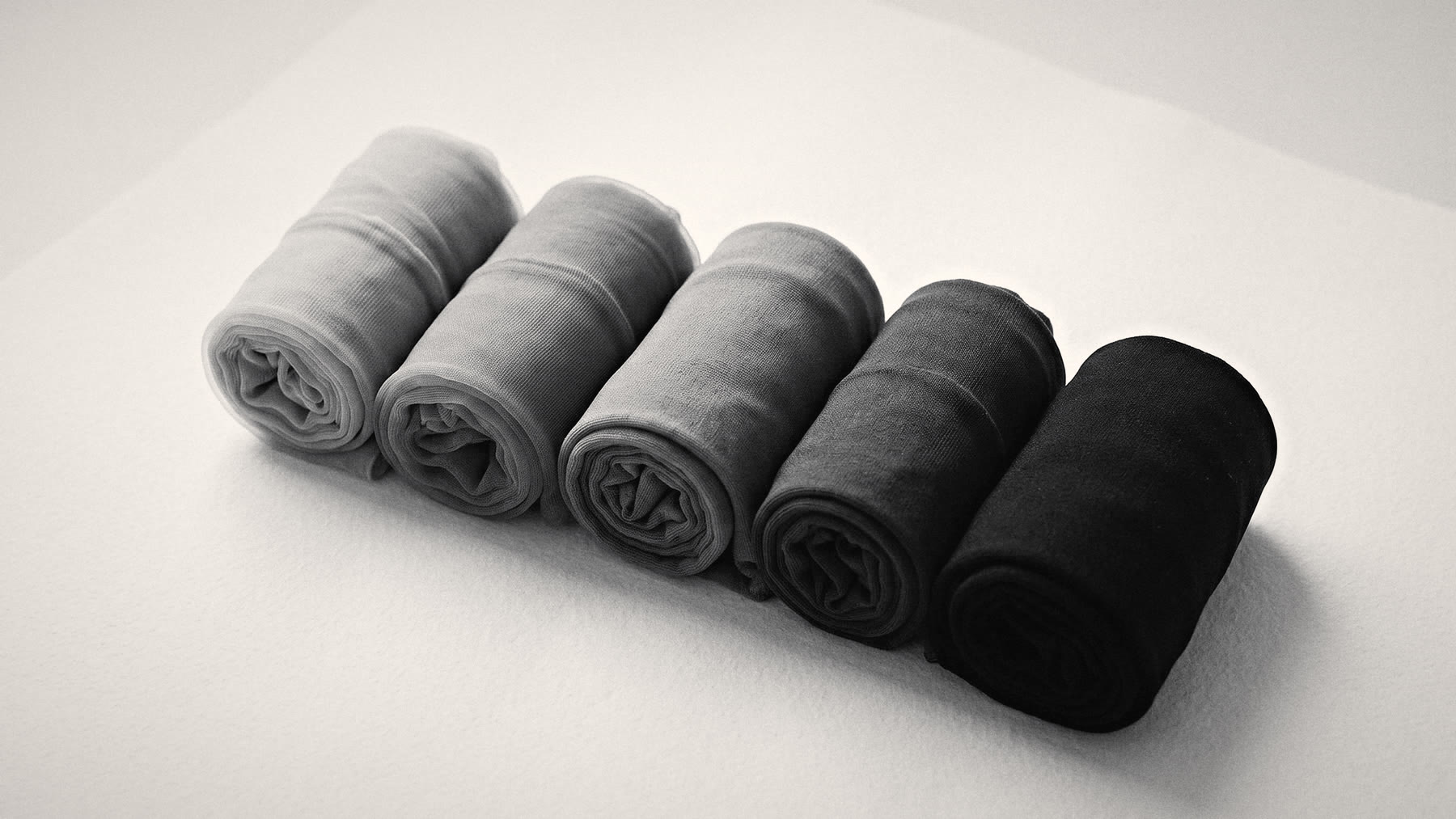
Below about 15 denier, hosiery reads as barely there. It is also at its most fragile. Around 20 to 30 gives a light pair that is still plainly sheer. From about 40 to 60 the leg is veiled more than shown, and from 60 or so upward most pairs read as opaque. Heavier knits than that are made mainly for warmth.
Those bands are a convention, and merchants apply them loosely: one shop’s semi-opaque is another’s opaque. A stated denier and a photograph together tell you more than either one alone.
What the number leaves out
Denier describes the yarn, and a pair of tights is more than its yarn. Two pairs of the same denier can look quite different on the leg. A flat, matte yarn hides more than a glossy one of the same weight. A pair knitted with a good share of elastane is stretched thinner when worn, and shows more skin, than the figure on the packet suggests.
Size matters here as well. A pair that is too small is pulled further over the leg and turns sheerer, patchily, at the knee and thigh. If you are between sizes on a maker’s chart, the larger usually gives the more even colour, and it lasts longer because the knit is under less strain.
You may also meet decitex, written dtex, on a European label. It is the same idea measured over ten thousand metres, so the numbers run about a tenth higher than denier.
Making them last
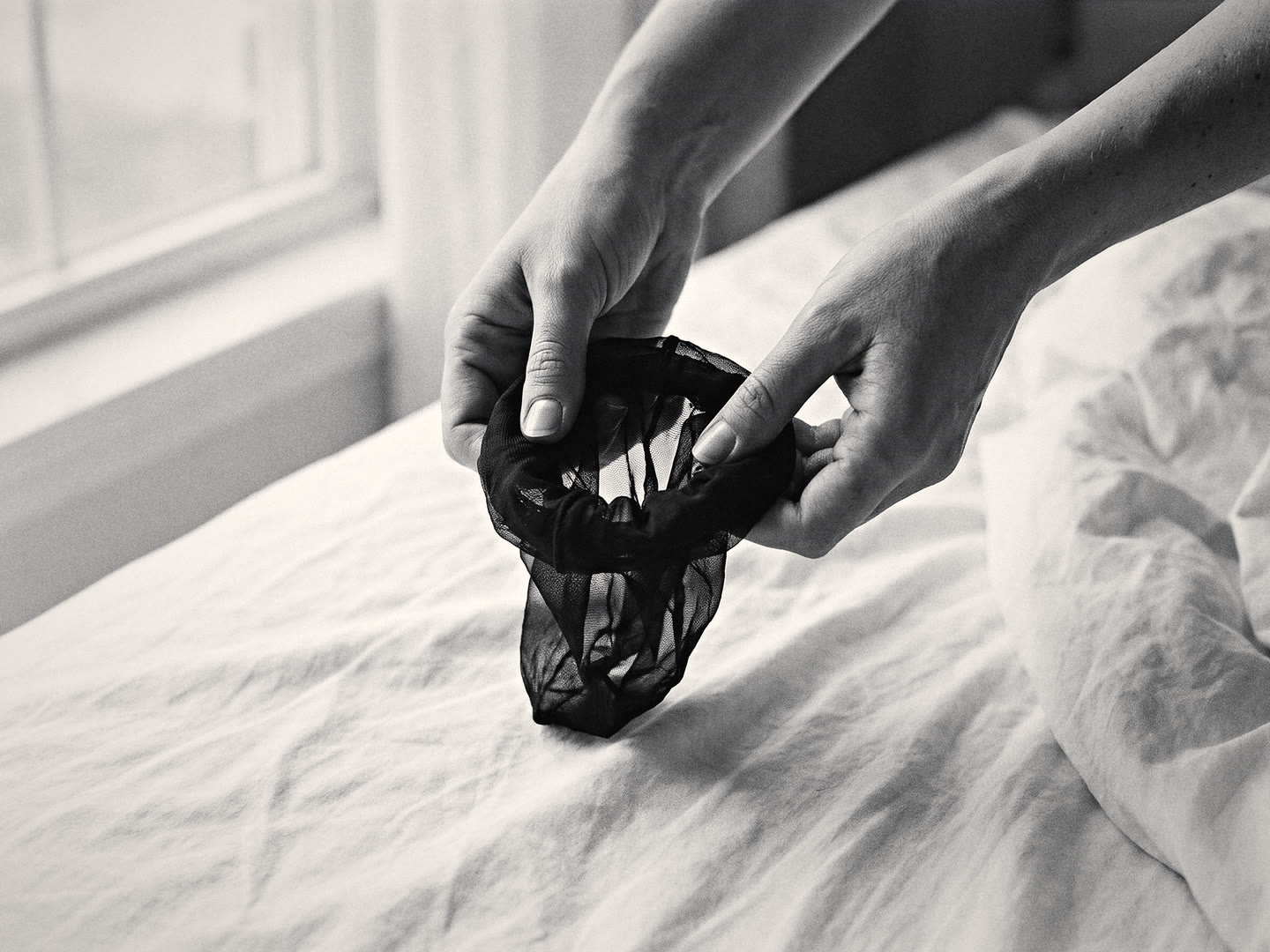
Fine hosiery is rarely worn out. It is caught: on a ring, a rough nail, the dry skin of a heel, the zip of a boot. The habit that saves most pairs is the slow one. Gather the whole leg down to the toe in both hands, put the foot in, and ease the knit up a little at a time instead of pulling from the waist.
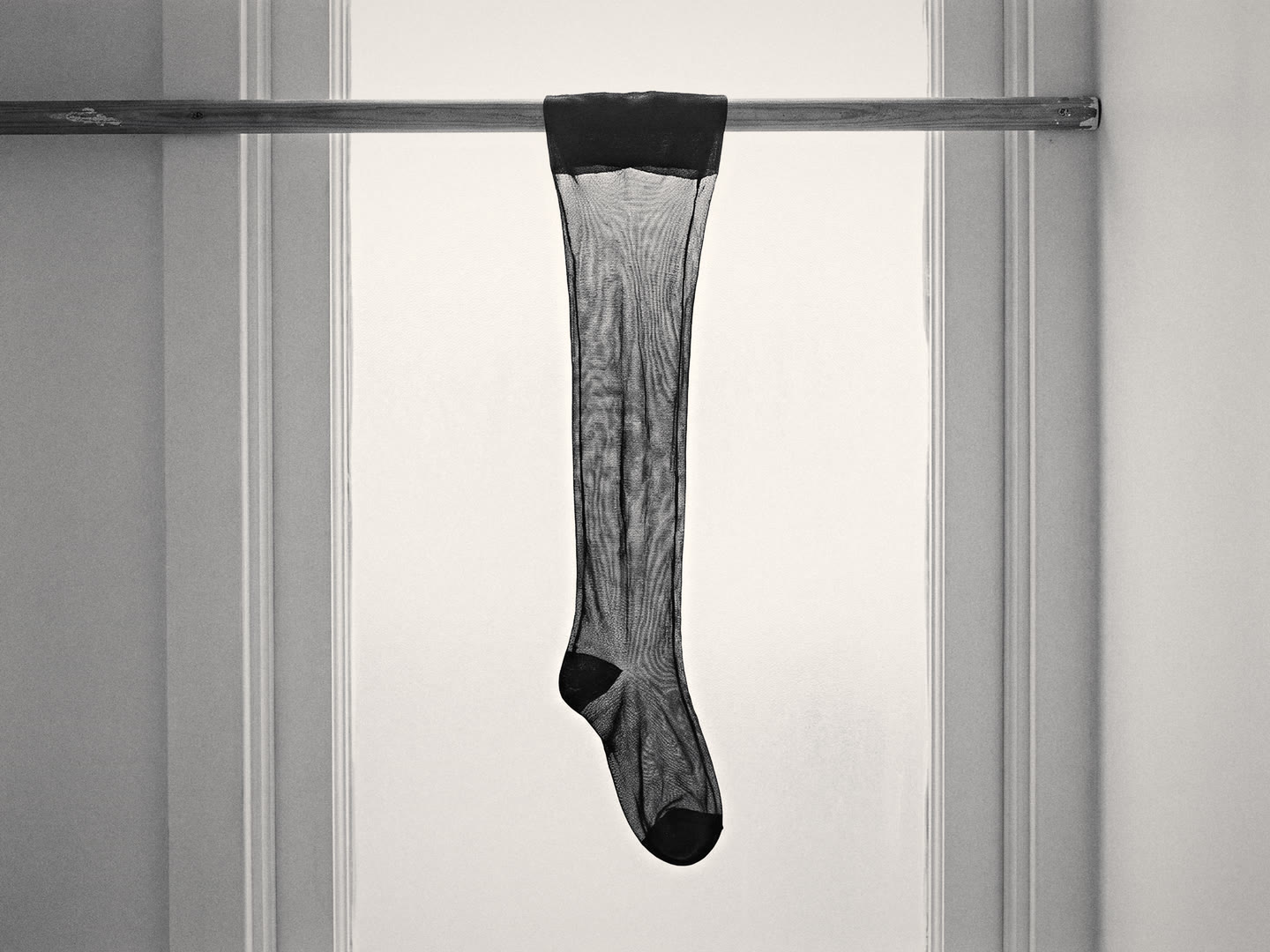
Wash by hand in cool water, or in a mesh bag on a gentle cycle if the label allows it. Dry flat or over a rail, away from radiators and out of the tumble dryer, since heat is hard on the elastane that gives a pair its fit.
Check what the shop says about returns before you buy several pairs to compare. Hosiery is among the things many shops will not take back once the packet is open.
In the shops
Hosiery in the shops

Professional Seamed Fishnet Tights (Black)
S/M (5ft 1-7 to UK 18/US 14)
$29 , £22 at the shop

Glitter 30 Denier Tights
$33 , €30 at the shop

RU4 Short Running Socks - Socken für Unisex - Rot
EU 35–36 EU 37–38 EU 41–42
$20 , €17.95 at the shop
- 40 percent off
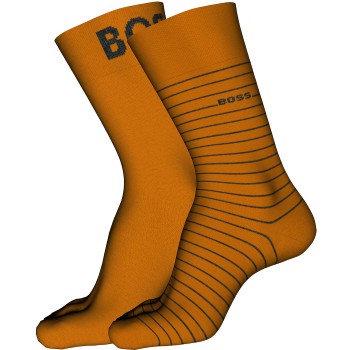
Strumpor 2P RS Marc CC Socks Orange
Strl 43/46
Was $22$13 , SEK 131.40 at the shop, was SEK 219 
Collants & bas Trasparenze Calza Da Reggicalze 20 Denari Sara
XS S M L
$18 , €16 at the shop
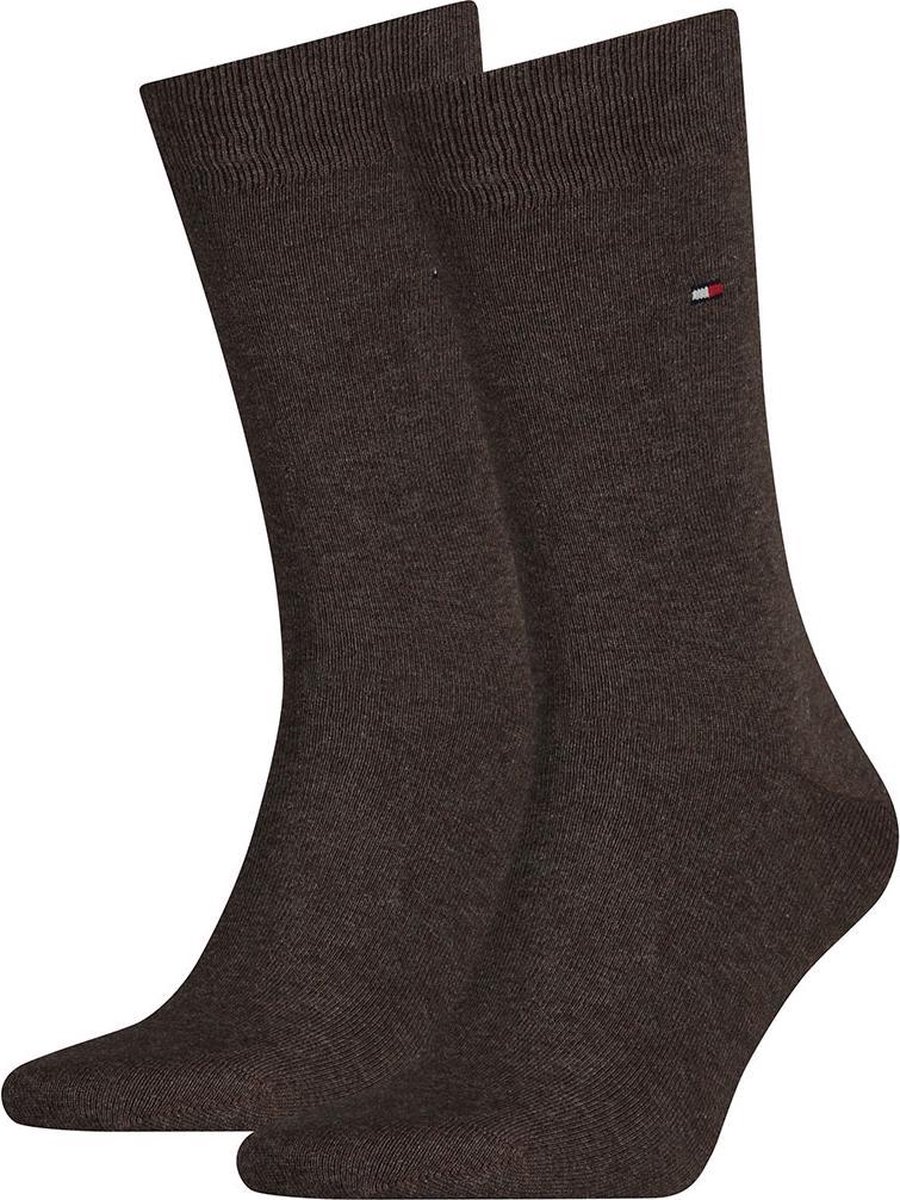
Sock Classic Oak 2-Pack-47/49
EU 47/49
$15 , €13.99 at the shop
- 62 percent off

Socken TH MEN SOCK FLAG AOP (2 Paar) aus gekämmter Baumwolle, dezente Details
EU 39–42 EU 43–46
Was $15$5.79 , €5.26 at the shop, was €13.99 
Socken "TH MEN SOCK 1P PREMIUM SILK CASHMERE" 0
EU 39–40 EU 41–42 EU 43–44 EU 45–46 EU 47–48 Sockengrösse
$30 , CHF 24.90 at the shop